ELDT for CDL Applicants: What the Training Rule Means
A practical guide to Entry-Level Driver Training, including who may need it, theory and behind-the-wheel training, provider records and how ELDT fits into the CDL testing path.
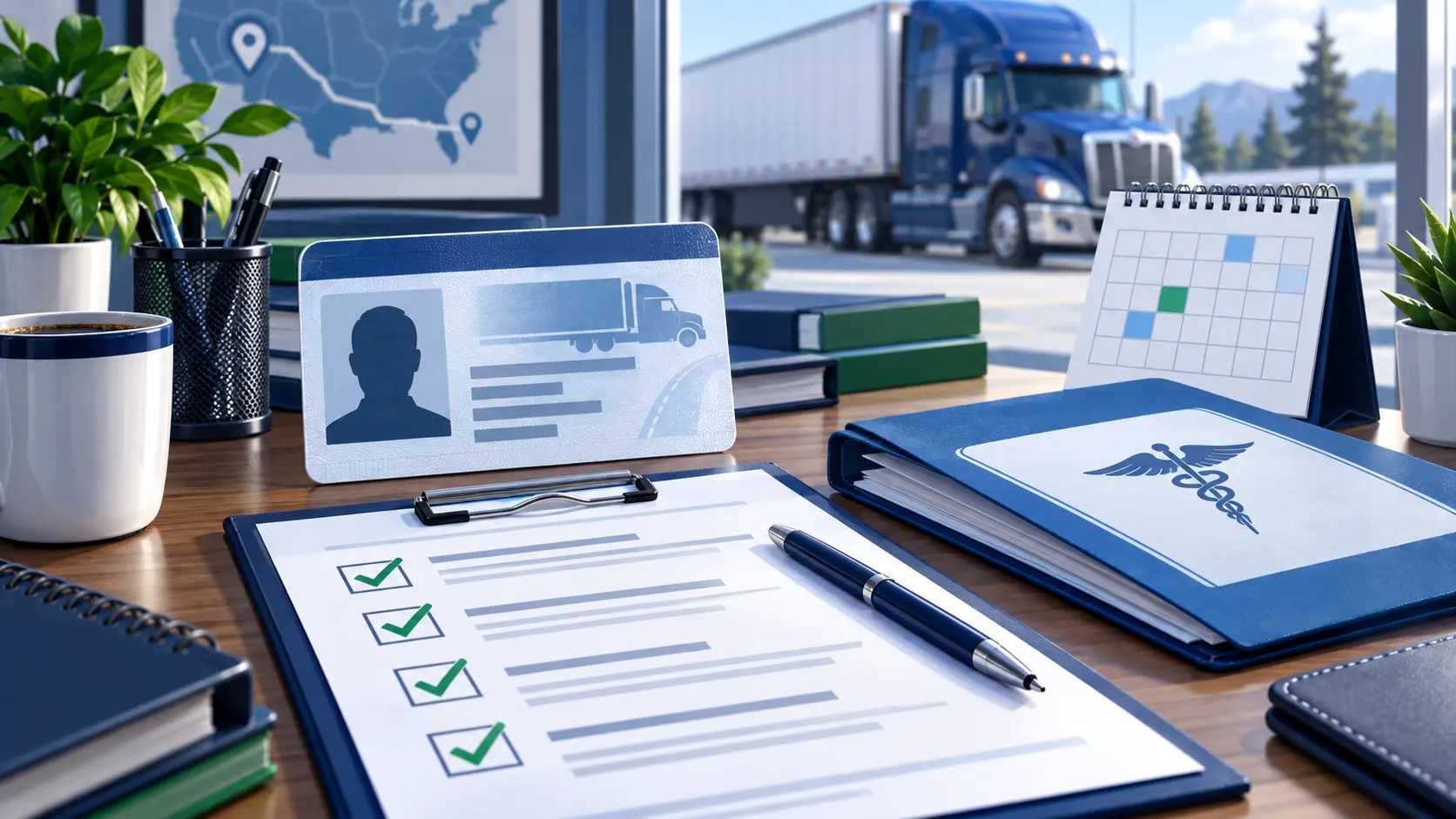
What ELDT is designed to do
Entry-Level Driver Training, usually shortened to ELDT, establishes a minimum training framework for certain commercial driver applicants. It is intended to make sure that eligible applicants receive instruction in the knowledge and driving skills connected to the license or endorsement they are pursuing. ELDT is a training requirement; it is not a replacement for the CDL knowledge test, skills test or state application process.
Who may be affected by ELDT
ELDT can apply to certain first-time Class A or Class B applicants, applicants upgrading from one class to another and applicants seeking specific endorsements. The exact trigger depends on the applicant’s history, current credential and target vehicle or endorsement. A person who already holds a qualifying credential may follow a different path from a first-time applicant. Confirm your category before enrolling.
Theory training and knowledge preparation
Theory instruction covers the concepts a driver needs before operating commercially. Topics can include vehicle systems, safe operating practices, inspections, cargo, emergencies and the responsibilities connected to the chosen class or endorsement. ReadyToPermit lessons and practice questions can help organize this knowledge, but an online study session does not automatically count as approved ELDT.
Behind-the-wheel training is a separate skill
Driving a commercial vehicle safely requires supervised practice that reading cannot provide. Behind-the-wheel instruction can include vehicle inspection, basic control, backing, turning, mirror use, space management and on-road decision-making. Ask the provider how training is divided between range work and public-road driving and how your progress is evaluated.
Why the provider matters
When ELDT applies, the training provider must meet the applicable requirements and report completion through the required process. Before paying a deposit, ask whether the provider offers the exact class or endorsement course you need, whether the vehicle matches your goal, how records are submitted and what happens if you need additional practice. A school that offers only general CDL instruction may not cover every endorsement.
How to choose the right ELDT course
Begin with the target credential: first-time Class A, first-time Class B, upgrade, passenger, school bus or another endorsement. Then compare the course curriculum, instructor qualifications, vehicle availability, theory format, behind-the-wheel hours, schedule and documentation process. Get the answers in writing and compare them with the current official requirements.
ELDT and the commercial learner permit
The permit and training steps interact, but they are not identical. Some applicants must complete a knowledge process before obtaining a permit, while required training may need to be completed before the skills test. Because the order and timing can vary, ask the licensing agency and provider to confirm which step comes first in your state and applicant category.
ELDT does not guarantee a passing score
Completing training means the provider has recorded the required instruction; it does not guarantee that the applicant will pass a knowledge or skills test. Continue studying the state handbook, practice inspection and control skills, and ask the instructor to identify weaknesses before scheduling the test.
Records, corrections and completion status
Keep your enrollment confirmation, course information and completion records. If the testing agency cannot see the record, contact the provider promptly and ask what correction process applies. Do not wait until the test appointment if the training record is a condition of eligibility.
How ReadyToPermit fits into the process
ReadyToPermit can help applicants understand CDL classes, review general knowledge and organize practice questions before or alongside formal training. It is an educational preparation platform, not an ELDT provider and not a licensing agency. Use it to prepare better questions for your school and to reinforce what your instructor teaches.
Frequently Asked Questions
Does passing a practice test satisfy ELDT?
No. A practice test is a study aid and does not replace required theory, behind-the-wheel training or provider records.
Does every CDL applicant need the same ELDT course?
No. The required course can depend on the license class, endorsement, upgrade and prior credentials.
Can ELDT be completed entirely online?
Some theory instruction may be offered online when permitted, but behind-the-wheel requirements require the appropriate supervised driving instruction. Confirm the course format officially.
Does ELDT replace the CDL skills test?
No. Training prepares you for the skills test, but the official test must still be completed through the authorized testing process.
How do I know whether a school is an ELDT provider?
Ask the school for its provider status, the exact course it offers and how completion is reported. Verify the information through the current official provider or licensing resources.
Can I take ELDT before getting a CLP?
The order can depend on the applicant category and state process. Confirm the required sequence before scheduling training.
Ready for the next step?
Continue with CDL exam preparation
Open the CDL exam preparation hub and continue from the right starting point.
Featured CDL School
Example of the premium school listing shown on this page.
Your CDL School Name
Promote your commercial driver training school to students reading this CDL guide.
Reserve this space for your CDL school.