CDL Permit vs. CDL License: What Is the Difference?
Understand the difference between a commercial learner permit and a full CDL, including testing, supervision, training, restrictions and the path to a commercial license.
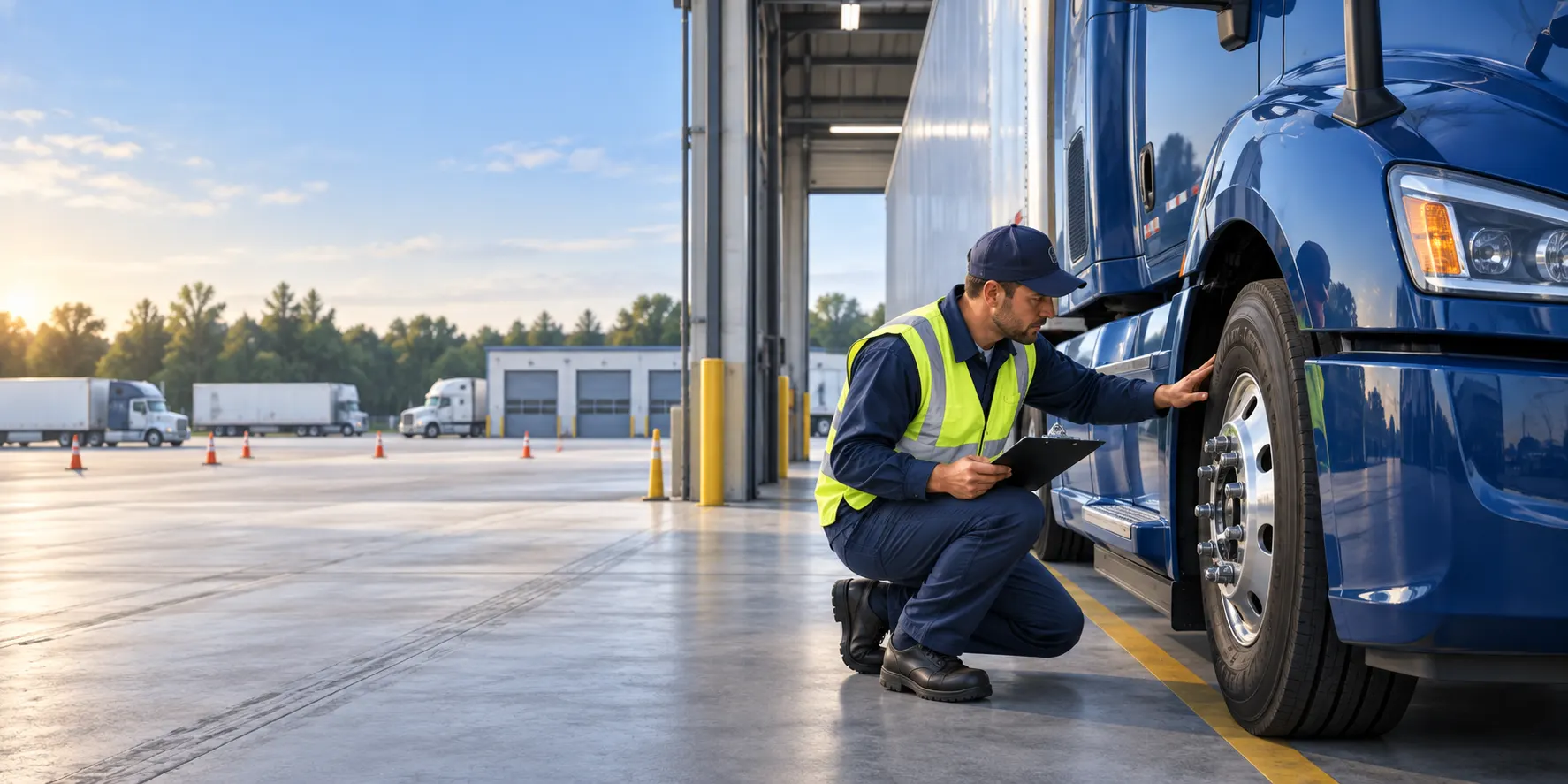
What a commercial learner permit actually means
A commercial learner permit, commonly called a CLP, is the learner stage of the CDL process. It generally allows an eligible applicant to practice operating a commercial motor vehicle under the conditions established by the licensing agency. A CLP shows that the applicant has completed the required initial steps for supervised learning; it does not mean the applicant has completed the skills test or is qualified to operate independently.
How a CLP differs from a full CDL
A full CDL is the credential used to authorize qualifying commercial driving after the applicant completes the required knowledge and skills process for the selected class and endorsements. A CLP is temporary and conditional. The full license is the result of completing the entire licensing path, not simply passing one knowledge test.
The usual permit application sequence
The exact order varies by state, but applicants commonly begin by choosing a CDL class, confirming eligibility, submitting identity and residency documents, completing any required medical or declaration steps and passing the applicable knowledge tests. Some applicants also need additional screening for specific endorsements. Check the state’s current checklist before making an appointment.
What you can and cannot do with a permit
A CLP is normally subject to supervision, vehicle, route and endorsement restrictions. The supervising driver, vehicle configuration and operating conditions may need to meet specific requirements. Never assume that a permit allows unsupervised commercial work or that it allows every vehicle covered by the class you selected. Read the restrictions printed on the permit and follow the official rules.
Why permit applicants should choose endorsements early
The knowledge tests you take should match the work you intend to pursue. If you plan to operate a passenger vehicle, tanker, hazardous-materials vehicle or combination with multiple trailers, identify that goal before studying. Adding an endorsement later may require another test, a skills demonstration or a separate screening process. Choosing early does not always mean you must complete everything at once; it means your study plan will not leave out an important requirement.
Training between the permit and the skills test
The permit stage is when applicants build real vehicle skill under approved supervision. Depending on the applicant and license path, Entry-Level Driver Training or another approved program may be required before the skills test. Ask a training school how it handles classroom or theory work, behind-the-wheel practice, vehicle inspection, basic control skills and road-test preparation. Also confirm how training completion is reported.
Preparing for the three-part skills test
Many CDL skills-test paths include a vehicle inspection, basic control skills and an on-road test. Use the permit period to create a repeatable inspection routine, learn the dimensions and blind spots of the vehicle, practice backing and develop safe mirror habits. The goal is not to perform a memorized show for the examiner; it is to demonstrate that you can control the vehicle and make safe decisions consistently.
Moving from the permit to the full license
Before scheduling the skills test, confirm the required waiting period, training record, test vehicle, documents, fees and appointment rules. Passing the skills test does not remove every possible restriction automatically. Review the license class, endorsements, transmission limitations and medical status on the issued credential. If something is incorrect, contact the agency before beginning commercial work.
How to avoid common CLP mistakes
The most common problems are applying for the wrong class, using an outdated document list, studying only random practice questions, ignoring endorsement requirements and practicing in a vehicle that does not match the target job. A short planning conversation with the licensing agency and a reputable training provider can prevent weeks of delay.
A practical permit-to-license checklist
First, identify the vehicle and job. Next, verify eligibility and documents, choose the class and endorsements, study the current handbook, pass the knowledge tests, complete required training, practice the inspection and skills-test maneuvers, schedule the test and review the final credential for restrictions. Save every confirmation and keep a calendar for permit, medical and renewal dates.
Frequently Asked Questions
Can you drive commercially with only a permit?
A permit is normally subject to supervision and other restrictions. It does not generally authorize independent commercial driving. Follow the conditions issued by your state licensing agency.
Does a permit automatically become a CDL?
No. Required training, skills testing and any endorsement or screening steps must still be completed.
How long is a commercial learner permit valid?
The validity period is state-specific. Check the expiration date printed on the permit and plan training and testing before it expires.
Can you take the skills test immediately after getting a permit?
A waiting period, training completion or other condition may apply. Confirm the earliest eligible test date with the licensing agency.
Can you add an endorsement after receiving the CDL?
Often yes, but additional knowledge, skills or screening requirements may apply.
What should you study before applying for the permit?
Study the general knowledge material plus the vehicle and endorsement sections that match your intended license path.
Ready for the next step?
Continue with CDL exam preparation
Open the CDL exam preparation hub and continue from the right starting point.
Featured CDL School
Example of the premium school listing shown on this page.
Your CDL School Name
Promote your commercial driver training school to students reading this CDL guide.
Reserve this space for your CDL school.