Automatic Transmission CDL Restriction: What Applicants Should Know
Understand how the test vehicle can create an automatic-transmission restriction, how it affects job options and how to plan training or removal around your career goal.
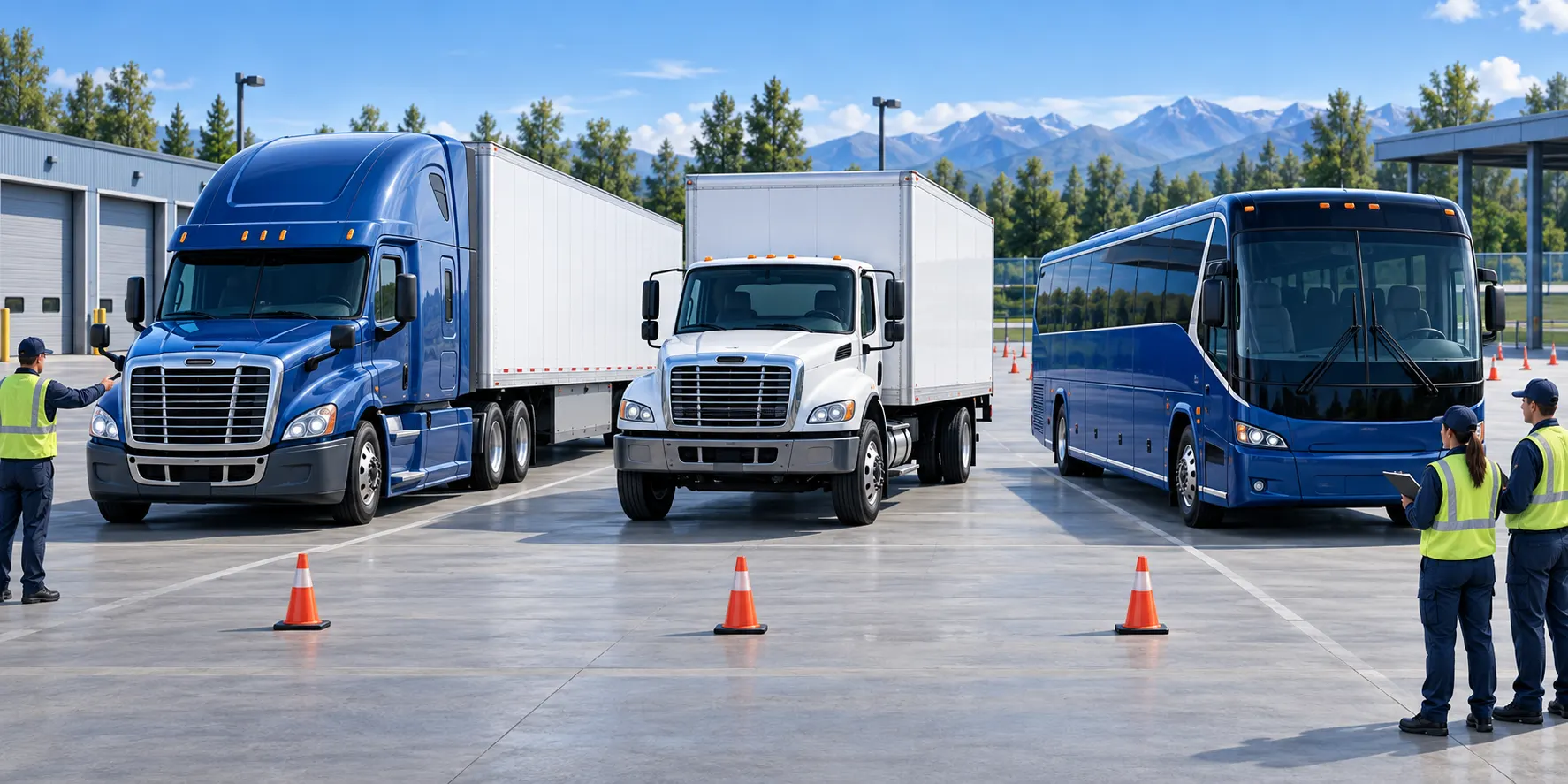
What an automatic-transmission restriction means
A CDL restriction can limit the equipment or type of vehicle you may legally operate. In some licensing systems, completing the skills test in an automatic-transmission vehicle can result in a restriction related to manual-transmission vehicles. The exact code and wording are state-specific. Read the credential itself and do not assume that a full CDL class means every transmission is covered.
Why the test vehicle matters
The skills test is intended to show that you can safely control the vehicle configuration used for the credential. If a driver tests without demonstrating manual shifting, the licensing agency may limit the privilege accordingly. This is not a penalty for using an automatic vehicle; it reflects the skill that was or was not evaluated during the test.
How the restriction can affect work
Many modern fleets use automatic transmissions, so a restriction may not prevent every CDL job. However, it can remove opportunities involving older trucks, specialized equipment, owner-operator vehicles or employers that require manual experience. Read job advertisements carefully and ask whether the employer requires unrestricted transmission privileges before paying for training.
Choose your career goal before enrolling
Tell the training provider what equipment you want to operate. Ask whether the school has manual and automatic vehicles, whether both are available for practice and which one can be used for the skills test. A course designed only around an automatic truck may be appropriate for one job and a poor fit for another.
Learning manual transmission safely
Manual training should begin with clutch control, gear selection, starting and stopping on level ground, shifting at appropriate engine speed and managing grades. Students should also learn how to avoid clutch abuse, gear hunting and unsafe coasting. Practice with an instructor in a controlled area before entering traffic.
Manual skills and the road test
During a manual-transmission road test, the examiner may observe gear selection, clutch control, speed management, starts, stops and response to hills or traffic. Smooth operation matters more than shifting quickly. Select the gear before the situation requires it, keep both hands and attention available and never sacrifice safe control to avoid a missed shift.
How to avoid an unexpected restriction
Before the permit or skills appointment, ask the agency and school to confirm the test vehicle, transmission type, class, endorsements and possible restrictions. Review the appointment confirmation and the vehicle documentation. If the vehicle changes on test day, stop and ask whether the new configuration affects the credential before beginning.
Removing a restriction later
A restriction may be removable through a state process that can include a new skills test in a qualifying manual vehicle, an application update and additional fees. The exact procedure varies. Do not rely on a trainer’s memory from another state; obtain the current instructions from the licensing agency.
Restriction versus endorsement
An endorsement adds a qualification for a vehicle or operation, while a restriction limits the equipment or conditions under which the license can be used. A driver may hold the correct endorsement and still be restricted from a particular transmission or vehicle feature. Check both parts of the credential.
A practical decision checklist
Write down the vehicles used by your target employers, transmission type, base class, endorsements and whether an unrestricted credential is required. Compare that list with the school’s equipment and the test appointment. This small amount of planning can save the cost of retesting or repeating training.
Confirm before commercial operation
This article is educational and does not determine the code on your license. Before driving, verify the credential, restrictions, medical status and employer requirements. If the printed license does not match what you expected, contact the agency and do not assume the discrepancy is harmless.
Frequently Asked Questions
Does an automatic restriction prevent all CDL work?
No. It may limit the vehicles you can legally operate, while many fleets use automatic transmissions.
Can an automatic restriction be removed?
Often there is a state process, which may include another skills test in a qualifying vehicle. Exact steps vary.
Should I learn manual transmission before getting a CDL?
If your target jobs use manual vehicles or require an unrestricted credential, learning manual operation before testing may be valuable.
Can a school guarantee that a restriction will not appear?
The licensing agency determines the credential. Ask the school which vehicle will be used and confirm the rule officially.
Is a restriction the same as an endorsement?
No. An endorsement expands authorization; a restriction limits the equipment or conditions you may operate.
What if the test vehicle changes at the last minute?
Ask the tester whether the new vehicle affects the class or restriction before starting the skills test.
Ready for the next step?
Continue with CDL exam preparation
Open the CDL exam preparation hub and continue from the right starting point.
Featured CDL School
Example of the premium school listing shown on this page.
Your CDL School Name
Promote your commercial driver training school to students reading this CDL guide.
Reserve this space for your CDL school.